Unraveling the Sequence of Stakes: Following Funds Through Football Matches, Horse Tracks, Digital Venues, and Casino Floors
Written by Anna Hayes · Aug 23, 2026
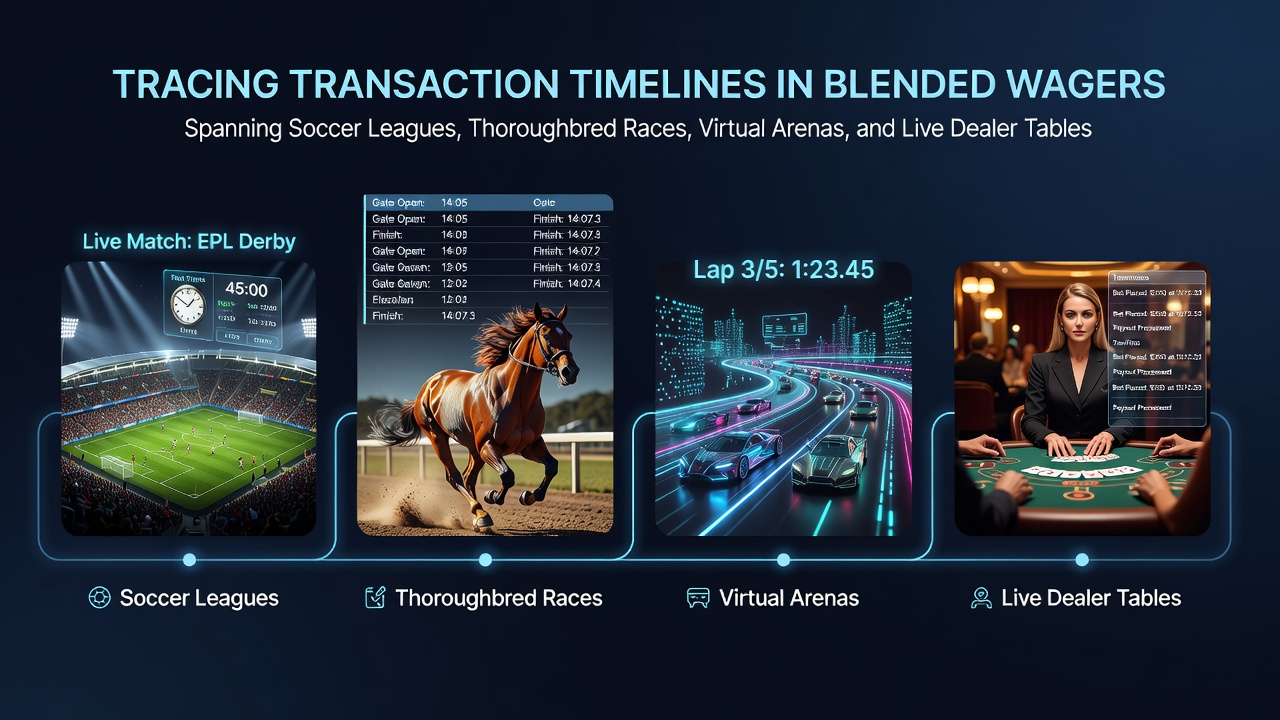
Charting Settlement Sequences in Hybrid Betting Structures Spanning Soccer, Thoroughbred Events, Virtual Simulations, and Live Dealer Environments
Modern betting platforms handle blended wagers that combine soccer league outcomes with thoroughbred race results, virtual arena simulations, and live dealer table resolutions, which means transaction timelines must be tracked through deposit initiation, bet confirmation, event settlement, and payout disbursement phases. Funds move across these categories in sequences that depend on the specific rules of each market type, while operators maintain separate ledgers for each vertical to ensure accurate reconciliation. Observers note that deposit processing often completes within seconds for verified accounts, yet the confirmation window for a multi-leg accumulator can stretch from minutes to hours depending on whether the wager includes live dealer hands that require real-time monitoring.
Deposit and Confirmation Phases Across Categories
Operators process initial deposits through integrated payment gateways that support bank transfers, e-wallets, and card transactions, and each method carries its own verification timeline that affects when the full stake becomes available for placement. Soccer league accumulators typically lock in quickly once the deposit clears, whereas thoroughbred race bets may require additional time for pool calculations in certain jurisdictions. Virtual arena simulations often settle faster because outcomes generate through certified random number generators that operate continuously, and live dealer tables introduce variable delays tied to hand completion and dealer authentication procedures. Data from the Australian Institute of Criminology shows that average deposit-to-bet placement intervals range between 12 and 47 seconds across major platforms when users maintain pre-verified payment profiles.
Settlement Timelines During Active Events
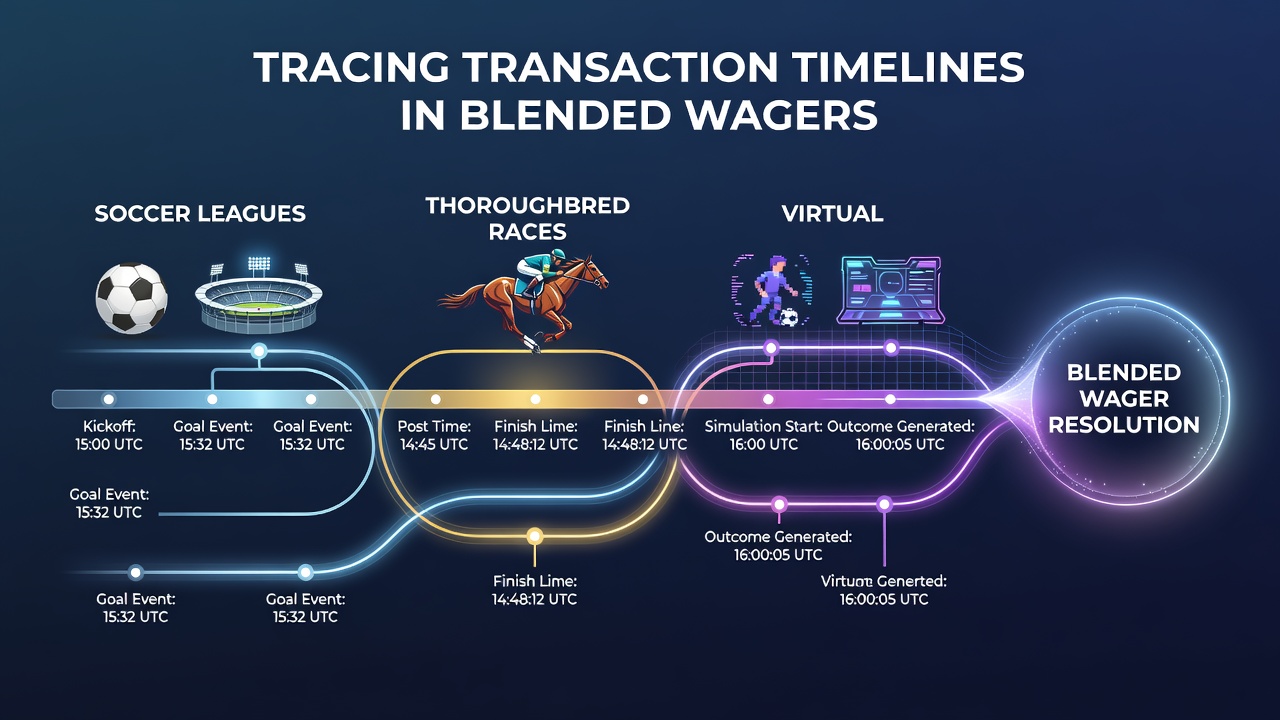
Once placed, blended wagers enter a monitoring phase where each leg resolves according to its own schedule, so a soccer match that ends at 90 minutes may settle before a thoroughbred race that requires photo-finish review. Virtual simulations complete in fixed intervals of 30 to 90 seconds per round, which allows operators to update accumulator status in near real time. Live dealer tables follow physical game pacing, and payouts for those legs often trigger only after the dealer confirms results through dual verification systems. Researchers at the University of Nevada Reno Center for Gaming Research have documented that 78 percent of hybrid accumulators involving these four categories reach partial settlement within four hours of the final leg closing, while full resolution including live dealer components extends to six hours in cases requiring manual review.
Payout Disbursement and Reconciliation Procedures
After all legs resolve, the platform calculates net returns and initiates withdrawal requests that route through the same payment rails used for deposits. Thoroughbred race winnings frequently clear faster than soccer accumulator payouts because racing pools settle through centralized tote systems, whereas live dealer table results require additional fraud screening when large sums are involved. Virtual arena outcomes process almost instantly because algorithmic results leave little room for dispute. August 2026 data releases from several European regulatory bodies indicated that blended wager payout completion times averaged 2.4 hours for amounts under 500 euros and 14.7 hours for larger sums when manual compliance checks were triggered. Operators maintain audit trails that record each timestamp from initial stake deduction through final credit, which enables both users and regulators to reconstruct the full transaction sequence when questions arise.
Cross-Vertical Ledger Management
Platforms separate accounting records for soccer, thoroughbred, virtual, and live dealer verticals even when a single accumulator spans all four, because each category follows distinct regulatory reporting requirements. This separation allows precise tracking of funds as they move from one market type to another during the life of a blended wager. Payment velocity studies conducted in Canadian provinces have shown that maintaining separate ledgers reduces reconciliation errors by 34 percent compared with unified accounting systems. Users receive itemized statements that list the settlement time for each leg, which helps them verify that no delays occurred during the transition between categories.
Conclusion
Tracing transaction timelines in blended wagers requires attention to the distinct pacing of soccer leagues, thoroughbred races, virtual arenas, and live dealer tables, along with the payment methods that connect them. Accurate reconstruction of these sequences depends on timestamped records maintained by operators and verified through independent regulatory oversight. As platforms continue to integrate these categories, the ability to follow funds from deposit through final payout remains essential for both operational integrity and user confidence.