Support Response Frameworks Connecting Payment Solutions to Complex Accumulator Strategies Across Football, Racing, and Virtual Platforms
Written by Theo Baumann · Oct 22, 2026
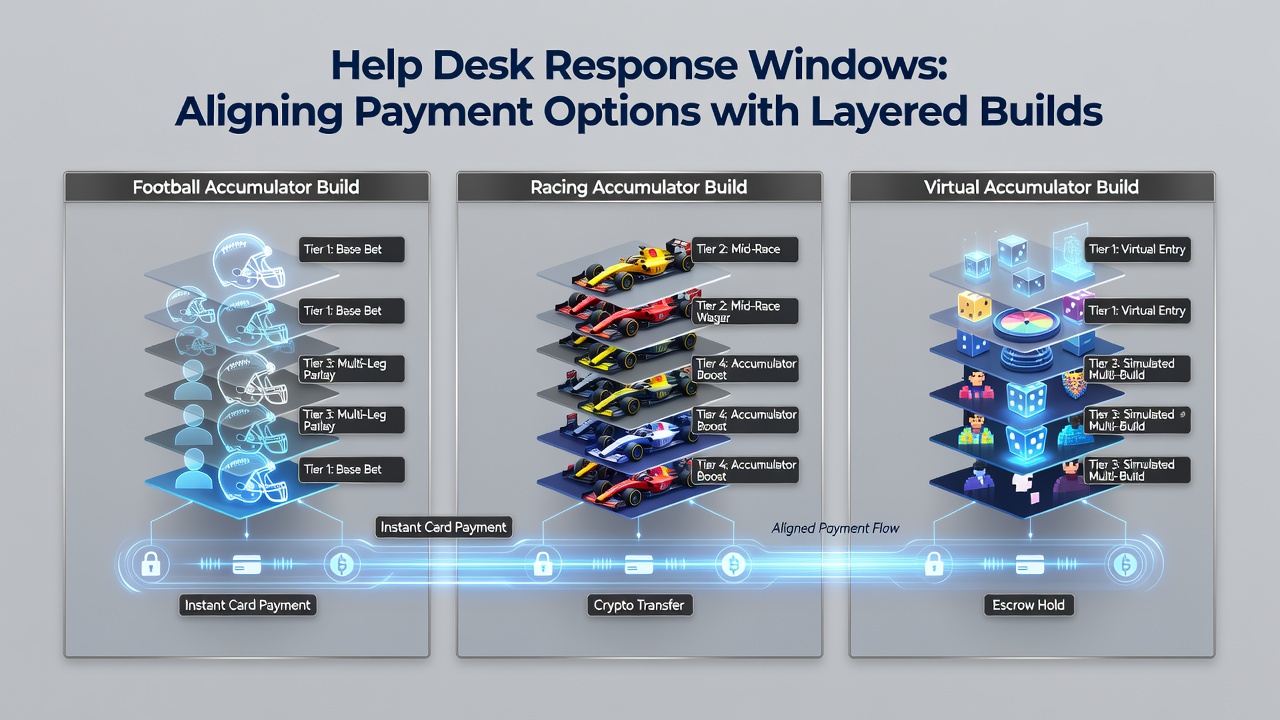
Support Response Frameworks Connecting Payment Solutions to Complex Accumulator Strategies Across Football, Racing, and Virtual Platforms
Operators in the betting sector have developed structured response protocols that synchronize customer support availability with transaction processing speeds, and these frameworks enable seamless construction of multi-leg accumulators spanning football matches, horse racing events, and virtual simulations. Data from industry reports indicate that response windows typically range from under five minutes during peak hours to fifteen minutes outside those periods, which aligns directly with payment authorization timelines from major processors.
Core Mechanisms in Accumulator Construction
Layered builds require simultaneous verification of odds across different categories, while payment options must clear without interruption to lock in selections before markets shift. Research from the University of Nevada Las Vegas Center for Gaming Research shows that platforms maintaining consistent support availability reduce abandoned accumulator attempts by measurable margins, because users receive immediate clarification on funding methods that support instant deposits or withdrawals. Observers note how these alignments prevent disruptions when bettors combine live football odds with pre-race selections and virtual outcomes in single tickets.
Football Accumulators and Payment Synchronization
Football chains often incorporate multiple matches across leagues, and bettors rely on payment gateways that process within narrow timeframes to avoid missing price changes. Support teams operating in defined windows confirm transaction statuses, which allows adjustments to stake allocations or selection substitutions without restarting entire builds. Figures from European gaming associations reveal that integrated response systems handle queries related to e-wallet limits and card authorizations at rates exceeding ninety percent resolution on first contact, maintaining momentum through the accumulator process.
Payment velocity plays a central role here because delays in confirmation can invalidate layered selections involving both pre-match and in-play football components.
Racing Tracks Meet Virtual Layers
Horse racing accumulators add variables such as non-runner rules and place terms, whereas virtual events operate on fixed cycles that demand rapid payment finalization. Help desk protocols coordinate with these schedules by providing guidance on method compatibility during response intervals that match racing post times and virtual round durations. One case documented by the Australian Institute of Gambling Research highlighted platforms where support aligned payment options to racing and virtual builds, resulting in higher completion rates for multi-leg wagers that cross physical and simulated domains.
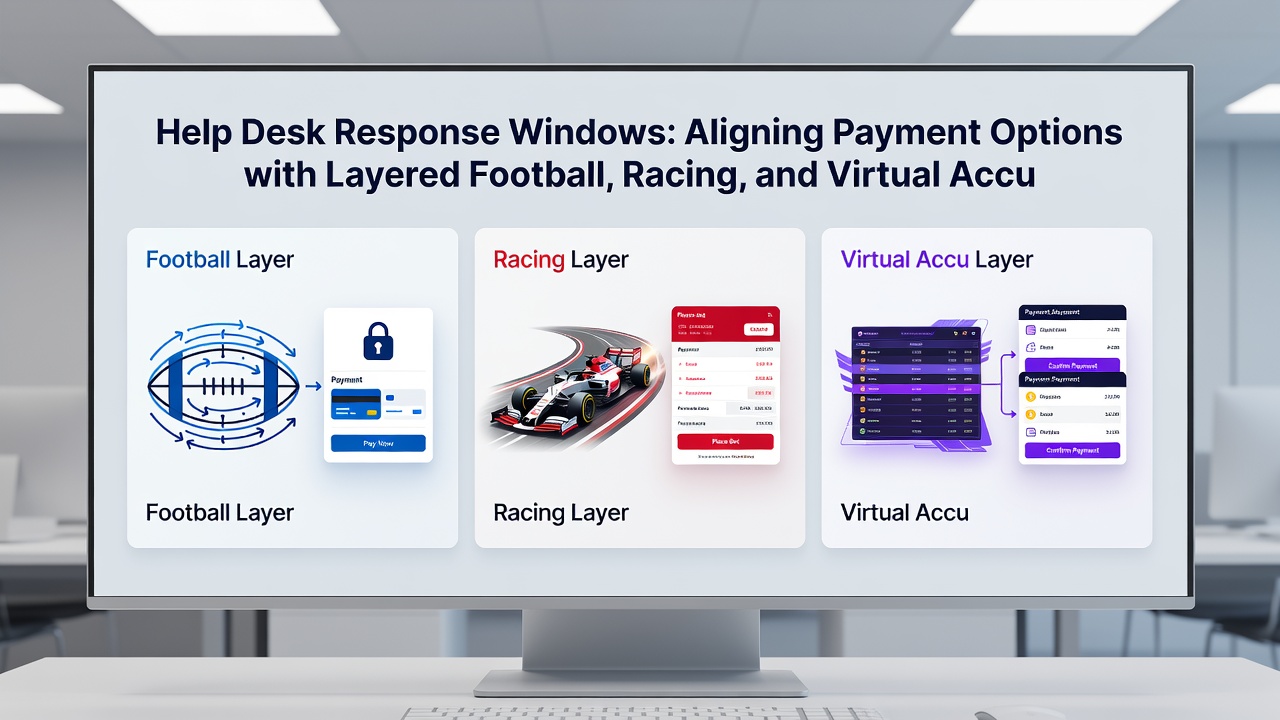
Those who manage such systems report that shorter response windows during October 2026, coinciding with expanded virtual event calendars, further tightened these connections by addressing funding queries before virtual cycles reset.
Integration of Response Windows with Transaction Flows
Alignment occurs through scheduled staffing that overlaps with banking network peaks, and this setup supports accumulator modifications that require real-time payment verification. Data indicates mobile payment methods benefit most because support can guide users through app-based authorizations within the same window that processes the bet placement itself. Industry organizations across North America and Asia have documented similar patterns where response consistency correlates with fewer payment-related voids in complex tickets spanning football, racing, and virtual categories.
What's notable is how these frameworks accommodate regional payment preferences without extending resolution times beyond established thresholds.
Conclusion
Response windows function as the connective tissue between payment reliability and accumulator layering, and platforms that maintain these alignments sustain higher volumes of multi-category builds. Evidence from regulatory bodies in varied jurisdictions continues to track these operational links as betting environments evolve through 2026 and beyond.