Pathways to Secure App-Based Accumulators: Equine Events, Soccer Leagues, and Simulated Sports
Written by Theo Baumann · Aug 16, 2026
Pathways to Secure App-Based Accumulators: Equine Events, Soccer Leagues, and Simulated Sports
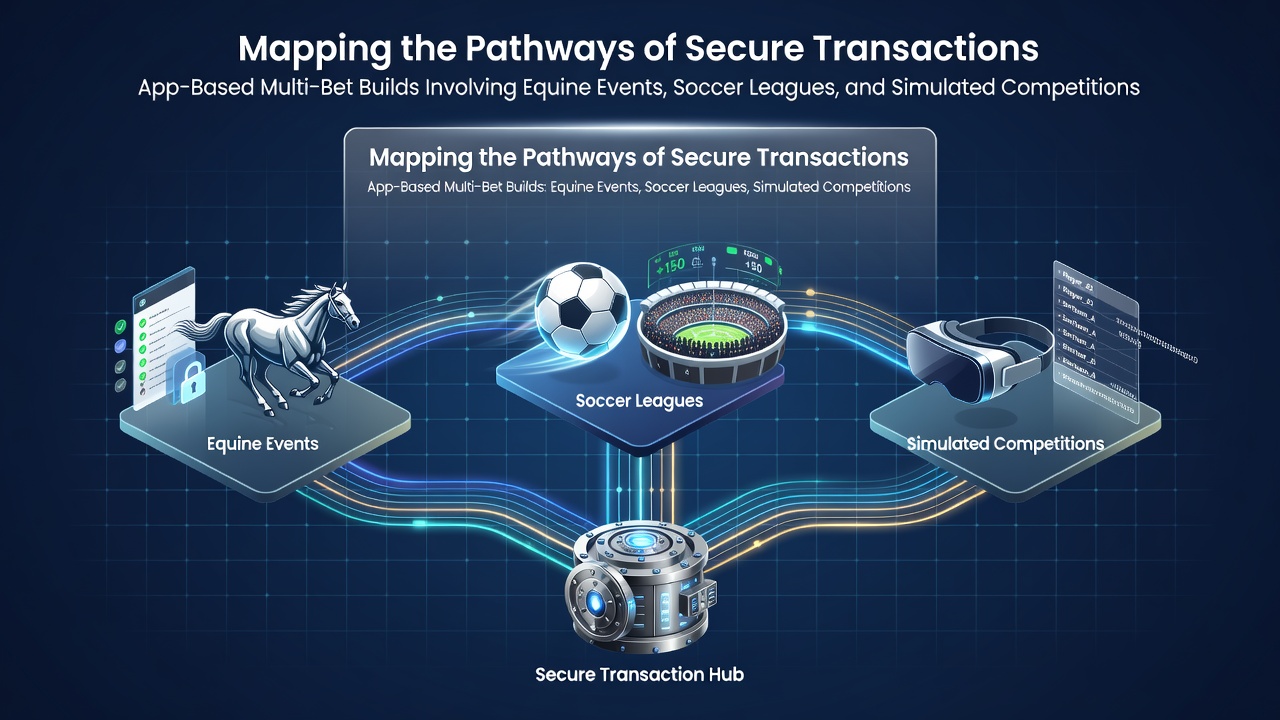
App-based multi-bet constructions combine equine events with soccer leagues and simulated competitions, and these platforms route payments through layered security protocols that verify user identity before any funds move. Developers integrate encryption standards such as TLS 1.3 alongside tokenization methods that replace card details with unique identifiers, and this approach reduces exposure during transfers from bank accounts or digital wallets into betting balances. Observers note that operators often segment transaction flows so deposits for accumulator builds pass through separate verification queues compared with single-event wagers, which allows systems to flag unusual patterns across multiple event types without halting routine activity.
Deposit Verification Layers in Combined Event Builds
Users initiate deposits through mobile interfaces that prompt for multi-factor authentication, and once confirmed the funds link to specific bet selections involving thoroughbred races, premier league matches, or algorithm-driven virtual contests. Research from the Nevada Gaming Control Board indicates that licensed operators must maintain audit trails for every step in these pathways, and the records capture timestamps, device identifiers, and geographic data to support compliance checks. Systems then allocate portions of the balance across selected legs of an accumulator, while automated rules prevent overcommitment by cross-referencing available funds against potential payout structures from mixed event categories.
Payment gateways handle the initial transfer, yet additional internal ledgers track how each segment of an accumulator draw connects back to the original deposit source. In August 2026 several platforms updated their protocols to incorporate real-time risk scoring models that weigh historical bet patterns before releasing funds for new multi-event chains, and these models draw on anonymized datasets to refine detection thresholds without compromising individual privacy.
Transaction Routing Across Event Categories
Equine events typically require higher stake verification thresholds than virtual simulations because of longer settlement windows, and soccer leagues introduce live in-play adjustments that demand rapid balance updates. Simulated competitions add another variable since their outcomes generate instantly, which compresses the time between bet placement and payout processing. Operators therefore design routing engines that prioritize security checks based on event duration and liquidity profiles, and these engines direct high-value accumulators through enhanced review stages while routing smaller builds through streamlined channels.
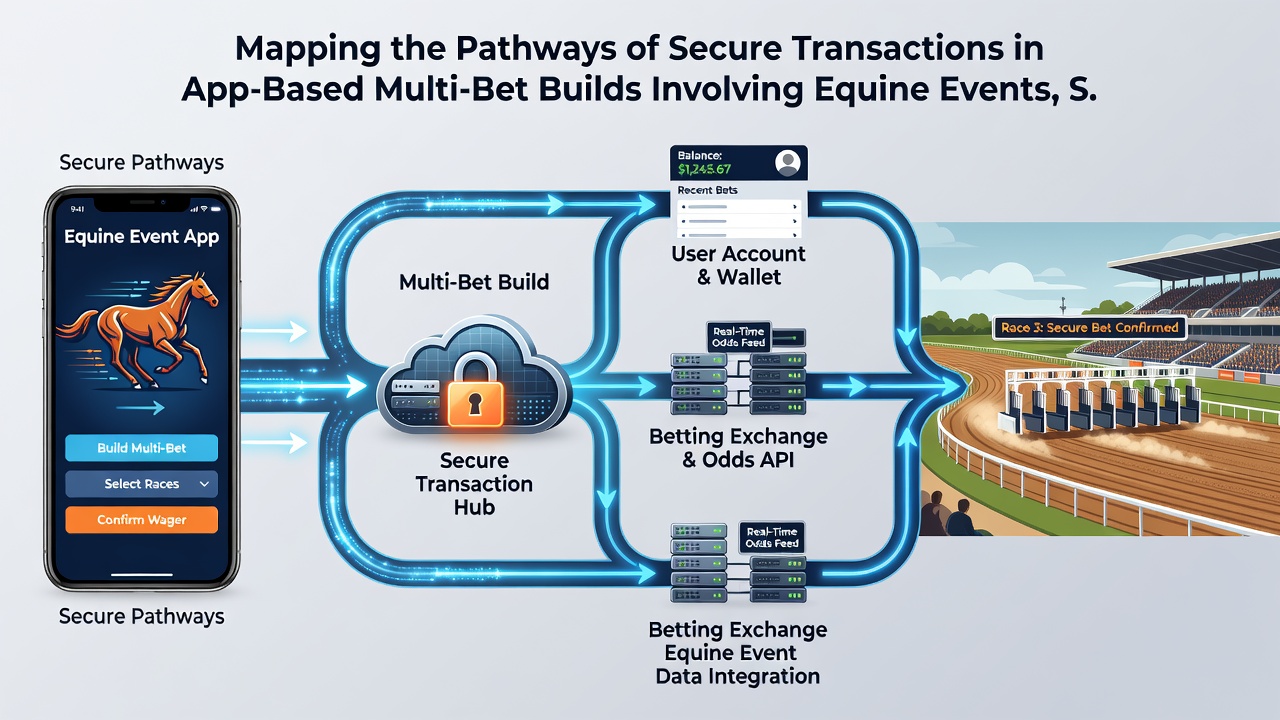
Industry reports from the Australian Communications and Media Authority highlight that cross-category accumulators often trigger additional identity reaffirmation steps when the combined stake exceeds predefined thresholds, and such measures help maintain integrity across diverse event pools. Developers embed fallback mechanisms that reroute transactions if primary gateways experience latency, and these backups rely on redundant encryption keys stored in geographically dispersed data centers.
Payout Mechanisms and Compliance Controls
Once all legs of a multi-bet resolve, the platform calculates returns and initiates withdrawal requests that pass through the same verification layers used for deposits. Withdrawal queues separate requests by size and frequency, and larger sums from accumulators spanning equine, soccer, and simulated events receive manual review alongside automated screening. Data compiled by researchers at the University of Nevada, Las Vegas, shows that operators employing unified ledger systems experience fewer reconciliation errors when processing mixed-event payouts, because every transaction retains metadata linking it to the original deposit pathway.
Regulatory frameworks in multiple jurisdictions require periodic penetration testing of these transaction routes, and testing protocols simulate attempts to intercept or alter accumulator data mid-flow. Platforms respond by rotating API keys and updating certificate authorities on fixed schedules, which keeps the pathways resilient against evolving threat vectors.
Conclusion
Secure transaction mapping in app-based multi-bet builds therefore relies on coordinated layers of authentication, encryption, and routing logic that adapt to the distinct characteristics of equine events, soccer leagues, and simulated competitions. Continued refinement of these pathways supports consistent operation while meeting external compliance expectations across regions.