Digital Payment Networks Bridging Equestrian Competitions, Virtual Gaming Arenas, and Table-Based Interactions via Tiered Rewards and Customer Support Ecosystems
Written by Theo Baumann · Oct 8, 2026
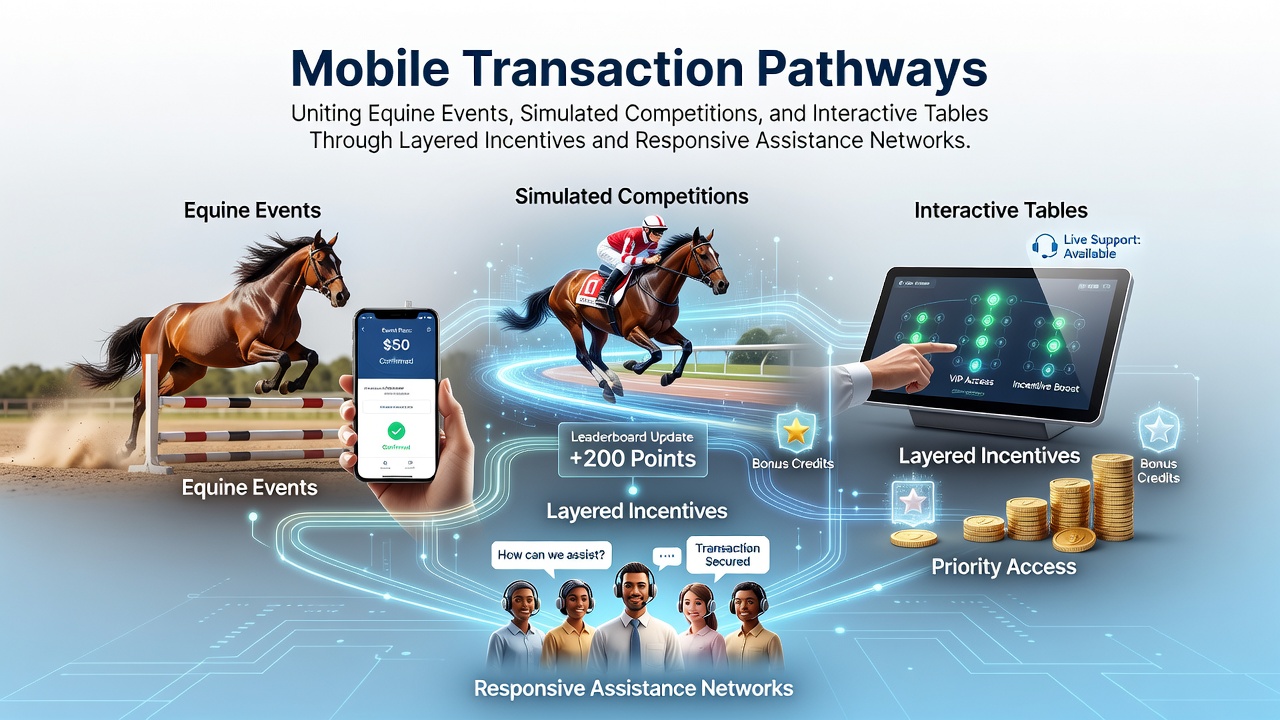
Digital Payment Networks Bridging Equestrian Competitions, Virtual Gaming Arenas, and Table-Based Interactions via Tiered Rewards and Customer Support Ecosystems
Integrated mobile systems now link payments across horse racing events, virtual simulations, and live dealer tables through structured incentive layers plus dedicated assistance channels, and industry data shows steady growth in these unified pathways as of October 2026. Observers note that transaction flows begin at user devices where deposits trigger immediate allocation to selected activity types, whether placing stakes on thoroughbred races, engaging simulated speed contests, or joining interactive table sessions, while layered rewards activate based on activity volume and combination patterns.
Core Components of Unified Transaction Flows
Equine event pathways handle real-time bet placements on race outcomes with instant fund transfers that feed into broader reward structures, and data from regulatory filings indicates these routes maintain high velocity because they connect directly to banking APIs and digital wallets. Simulated competition channels operate alongside them by processing virtual match results through the same mobile ledgers, allowing users to shift balances without separate verification steps, whereas interactive table environments add another dimension by routing live session entries and chip purchases through identical incentive matrices that track participation across all three categories.
Layered incentives function through progressive tiers where initial deposits unlock base rewards, mid-level activity volumes add multiplier bonuses, and cross-category combinations generate additional credits, according to figures released by the Australian Communications and Media Authority. Responsive assistance networks operate in parallel by providing chat-based and voice support that resolves transaction queries within the same application, reducing friction points that previously interrupted flow between equine, simulated, and table segments.
Technical Integration Patterns Observed in 2026
Payment processors coordinate these routes by embedding tracking protocols that monitor movement from one event type to another, and research from the Canadian Centre on Substance Use and Addiction shows such integration correlates with increased session continuity across platforms. Users initiate sequences on equine racing interfaces that carry verified balances forward into virtual arenas without re-entry of details, while table interactions pull from the same pooled resources under unified compliance checks that satisfy varying regional standards.
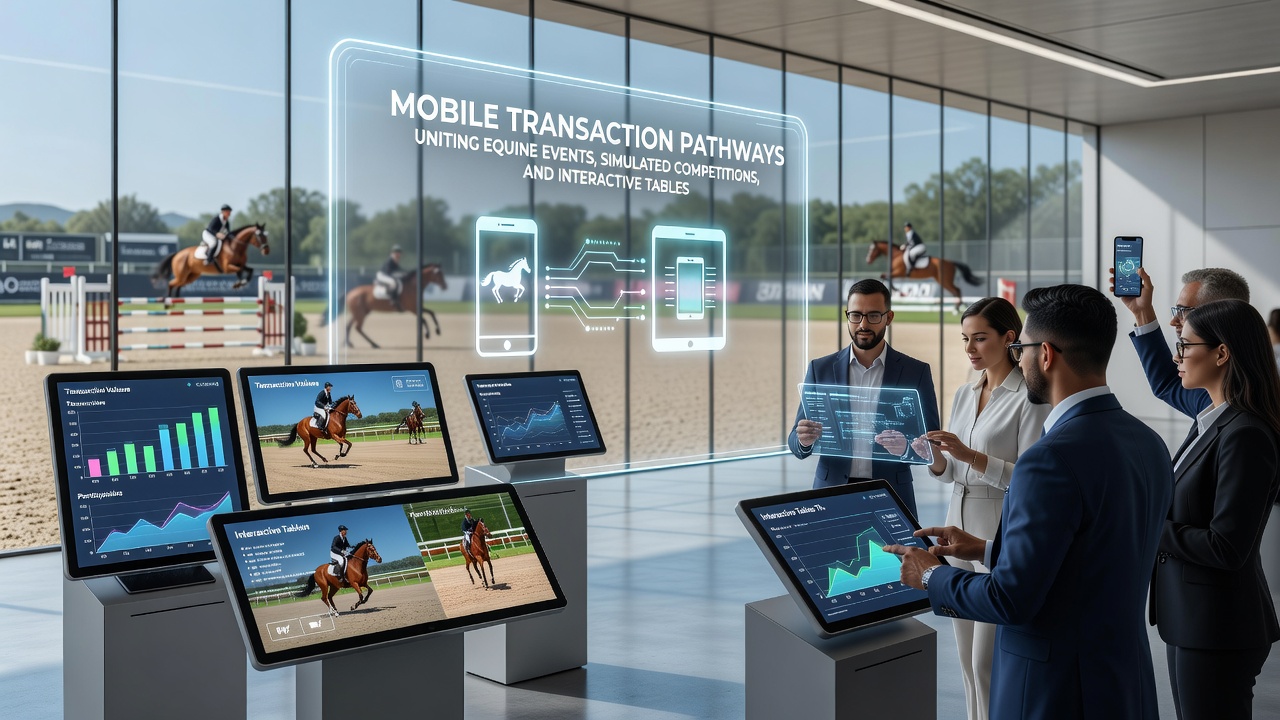
Security layers wrap each transition with encryption and authentication tokens that persist across equine, simulated, and table domains, preventing duplication of verification tasks. Industry organizations such as the European Gaming and Betting Association have documented how these persistent tokens streamline operations and maintain audit trails required by multiple jurisdictions.
Role of Incentive Structures in Sustaining Engagement
Tiered reward systems allocate credits proportionally to the diversity of activities pursued, so participation in equine events plus simulated competitions plus table sessions yields compounded returns within single billing cycles. Reports compiled by the National Council on Problem Gambling in the United States highlight that transparent display of these layers within mobile interfaces helps users track progress toward next reward thresholds without leaving the primary application.
Assistance networks complement the incentives by offering real-time guidance on how specific transactions qualify for particular bonus stages, and this pairing reduces instances where users abandon mid-sequence due to uncertainty about reward eligibility. Data compiled across multiple markets in October 2026 demonstrates consistent patterns where integrated support correlates with higher completion rates for multi-category transaction chains.
Regional Variations in Pathway Implementation
European markets emphasize regulatory alignment that standardizes data exchange between equine, virtual, and table modules, while North American and Australian implementations prioritize speed of fund movement and reward visibility. Each region applies distinct compliance overlays yet shares core mobile architecture that permits seamless category switching once initial verification completes.
Payment velocity remains a shared priority because delays in any segment disrupt the layered incentive triggers that depend on timely activity confirmation. Observers tracking October 2026 trends report that operators continue refining API connections to shorten these intervals across all three activity types simultaneously.
Conclusion
Digital payment networks continue evolving to connect equine competitions, simulated arenas, and interactive tables through coordinated incentives and support frameworks, with evidence from multiple regulatory and research bodies confirming sustained technical refinement through October 2026. These systems maintain operational consistency by routing transactions, rewards, and assistance requests within unified mobile environments that accommodate regional differences without fragmenting user experience.